
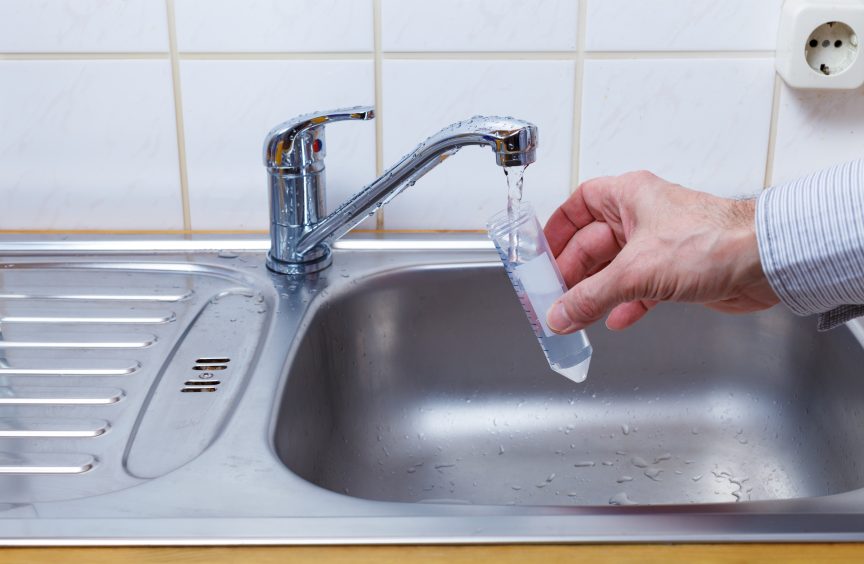
If your water smells strange, leaves stains, tastes off, or creates buildup around your fixtures, it can be tempting to buy a filtration system based on the symptom alone.
But water treatment is not one-size-fits-all.
Two homes can have water that looks or tastes similar while having completely different underlying issues. That is why testing your water before choosing a filtration system is one of the most important steps you can take.
The right system should be based on what is actually in your water, not just what you can see, smell, or taste.
Water Problems Can Look Similar
Many common water issues can have overlapping symptoms.
For example:
- Orange or brown stains may point to iron, but other minerals can create similar discoloration
- Rotten egg odors may be related to sulfur compounds, bacteria, or conditions inside a water heater
- Cloudy water can come from minerals, sediment, or even harmless air bubbles
- White buildup usually points to hardness, but hardness is only one part of overall water quality
- Unpleasant taste can come from chlorine, minerals, organic compounds, or other sources
If you choose a treatment system based only on the symptom, you may end up treating the wrong problem.
Different Contaminants Require Different Treatment
A filter that works well for one issue may do very little for another.
Sediment filters, carbon filters, water softeners, reverse osmosis systems, and specialty treatment systems all serve different purposes.
For example, a water softener is designed primarily to reduce hardness minerals such as calcium and magnesium. It is not a replacement for every type of filtration.
Likewise, a carbon filter may help with certain tastes and odors, but it is not designed to solve every water quality concern.
Testing helps identify which treatment approach actually makes sense for your home.
Testing Can Help You Avoid Buying More Than You Need
Without testing, homeowners sometimes assume they need the largest or most advanced system available.
That is not always the case.
Your water may have one specific issue that can be addressed with a relatively simple treatment setup. Or you may discover several conditions that are better handled with a combination of systems.
Knowing what is in the water makes it easier to choose equipment based on the actual need instead of paying for features that may not benefit your home.
Your Water Source Matters
The type of testing you need can also depend on where your water comes from.
Municipal Water
Public water systems are treated and monitored before the water reaches your home, but homeowners may still want to address issues such as:
- Chlorine taste or odor
- Hardness
- Sediment
- Certain dissolved minerals
- Concerns related to plumbing within the home
A water test can help determine what remains in the water by the time it reaches your tap.
Well Water
Private well owners are responsible for monitoring their own water quality.
Well water conditions can vary significantly depending on location, groundwater conditions, nearby land use, weather, and the well itself.
Testing may help identify issues such as hardness, iron, manganese, pH problems, nitrates, bacteria, or other contaminants depending on the area.
Water Quality Can Change Over Time
A test is not necessarily something you do only once.
Water conditions can change due to:
- Changes in groundwater
- Heavy rain or flooding
- Plumbing work
- Changes to a municipal water source
- Aging pipes
- Nearby construction or development
- Changes within a private well
If your water suddenly looks, smells, or tastes different, it may be worth testing again before changing your treatment equipment.
Testing Also Helps Size the System Correctly
Choosing the right type of treatment is only part of the equation.
The system also needs to be properly sized.
Factors such as water hardness, iron levels, household size, water usage, flow rate, and the number of bathrooms can all influence what equipment is appropriate.
A system that is too small may struggle to keep up with the home. A system that is unnecessarily large may cost more without providing a meaningful benefit.
Accurate water information gives a water treatment professional a much better starting point.
Do Not Treat the Symptom Alone
Visible water problems are useful clues, but they do not always tell the whole story.
If you are considering a new water filtration or treatment system, start by finding out what is actually in your water.
From there, you can choose a solution designed for your specific water conditions, household needs, and goals.
Not Sure What Your Water Needs?
The LeverEdge can connect you with a certified local water dealer who can help evaluate your water, review testing options, and recommend the right treatment solution for your home.
Contact The LeverEdge today to find a certified local water dealer near you.
Share this Post